Photo booth category · Taiwan's largest IP collaboration channel
Snapshot | 70 store and booth locations across Taiwan. Every print is participation someone chose to pay for.
A photo booth is not a campaign. It is a category that has been here all along — and its users are young by definition. So this is not a one-off media buy: it is a channel you can keep releasing onto, campaign after campaign. One spec, one delivery process, any IP runs on it — and 200+ collaborations are the proof that it keeps running.
What actually gives
a photo its value?
What people keep is the moment —
and a campaign is how you create that moment for fans.
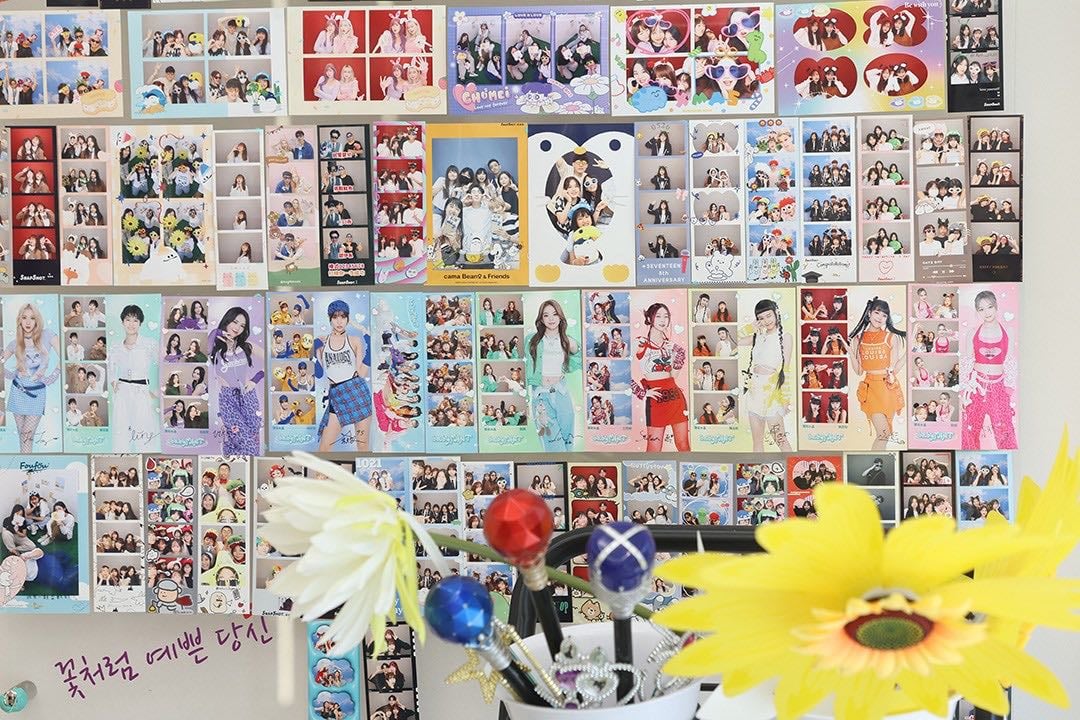
Fans pay, take part, take the print home —
and then post it themselves.
of customers are women aged 15–29
Coverage is in Chinese — browser translation works fine on all of these.


Also covered by Mirror Media, Global Views, UDN, EBC Financial News, ETtoday, CTV News, NOWnews, PopDaily, BeautyExchange, GirlStyle and Storm Media — press highlights → · all coverage →
Photobooth Info, an independent site, counts the physical locations of every photo-booth brand in Taiwan store by store. Its September 2026 edition lists 12 brands, 159 locations, across 14 counties and cities. Here is where Snapshot sits —
Read the table the other way round: if you want to run one collaboration in the photo booth category, this is where it starts.
More telling than a client list is the repeat rate — over 20 partners have renewed across years or run multiple campaigns.

Started as a single campaign, signed an annual deal; 20+ seasonal frame designs since

Spring, Valentine's, birthdays, New Year — a window in every season

After the 2025 debut campaign, two more frames in 2026 (retro and fairytale editions)

Renewed across years, with a new frame design launched again in 2026

Two consecutive baseball seasons, with player-themed frames

妳是我的姐妹, 成功路上, 娛樂百分百, 靈魂約定 and more, on an ongoing basis

Nationwide frame rollout, then upgraded to on-site set decoration in Taipei and Tainan Hai'an

Classic, dessert, picnic and beach — one IP expanded into a series

Beyond its own campaigns, also a three-way pop-up with Maybelline
Others with two or more campaigns include KingJun, The Apothecary Diaries, Bocchi the Rock!, 刺心切骨, 取精急轉彎, 嘴邊肉肉, 軟爛貓咪, 懶懶怪, 毛絨絨星人, 過胖主義, 昀子 and 昏呱.
Where people take photos has changed,
so the way we partner has to change too.
| ① Frame collaborationBase · every campaign starts here | ② Booth deploymentUpgrade A | ③ Whole-store takeoverUpgrade B | |
|---|---|---|---|
| Where | All 70 store and booth locations in Taiwan | Your event venue | Our stores (5 available nationwide) |
| What you get | Co-branded frame nationwide + announcement posts on both sides + booth home screen slot | A booth at your pop-up or expo stand; we supply the machine, system and operations | Set decoration, props and merchandise display — the whole store becomes your destination |
| Cost | NT$25,000 excl. tax per campaign | Quoted by event scale and revenue share | NT$100,000 excl. tax per store per month |
| Duration | 3 months (D+90) | Length of your event | By the month, for the campaign window |
| Best for | New releases, seasonal windows, illustrators | Creator expo stands, IP pop-ups, convention windows | Film and series promotion, large IP campaigns |
The frame collaboration is the starting point of every partnership; the two upgrades can be taken individually or together.
Your side visits the store and measures every surface (entrance, glass windows, counter, walls, booth area, make-up station, lockers, walkways), then produces the die-cut drawings and the decoration proposal.
Your side commissions the production vendor. Decoration items (fabric banners, entrance signage and so on) use standard print CMYK — a different spec from the RGB used for photo frames. See the FAQ below.
Production and installation are handled by your side, on an agreed date. Installation must not disrupt store operations, and anything moved (sofas, plant stands) goes back where it was.
We share store photos before and after installation for sign-off. During the campaign and after removal, the store must be left clean and in its original state.
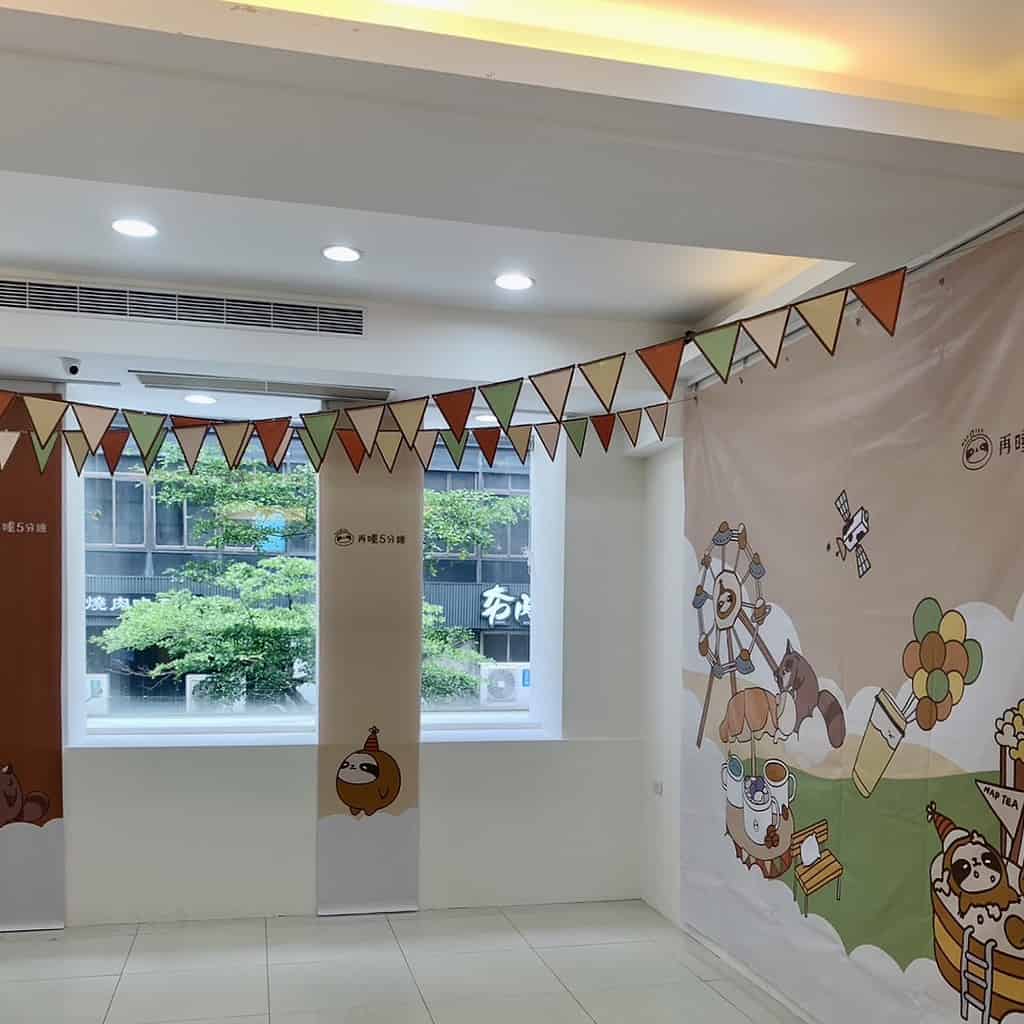
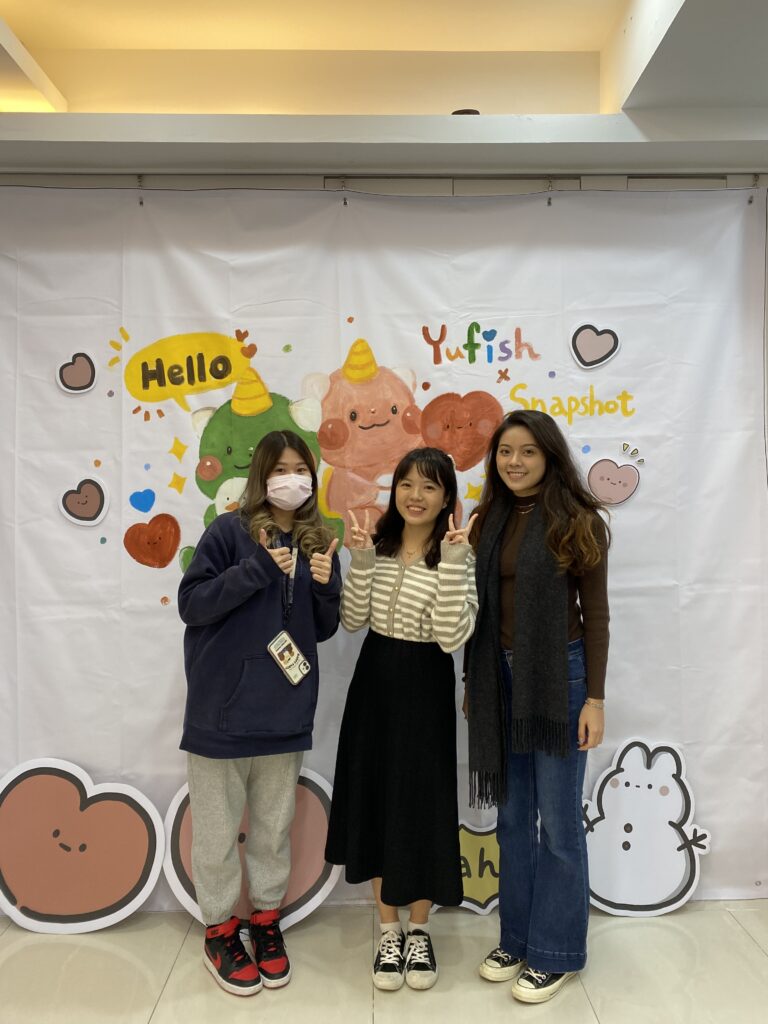
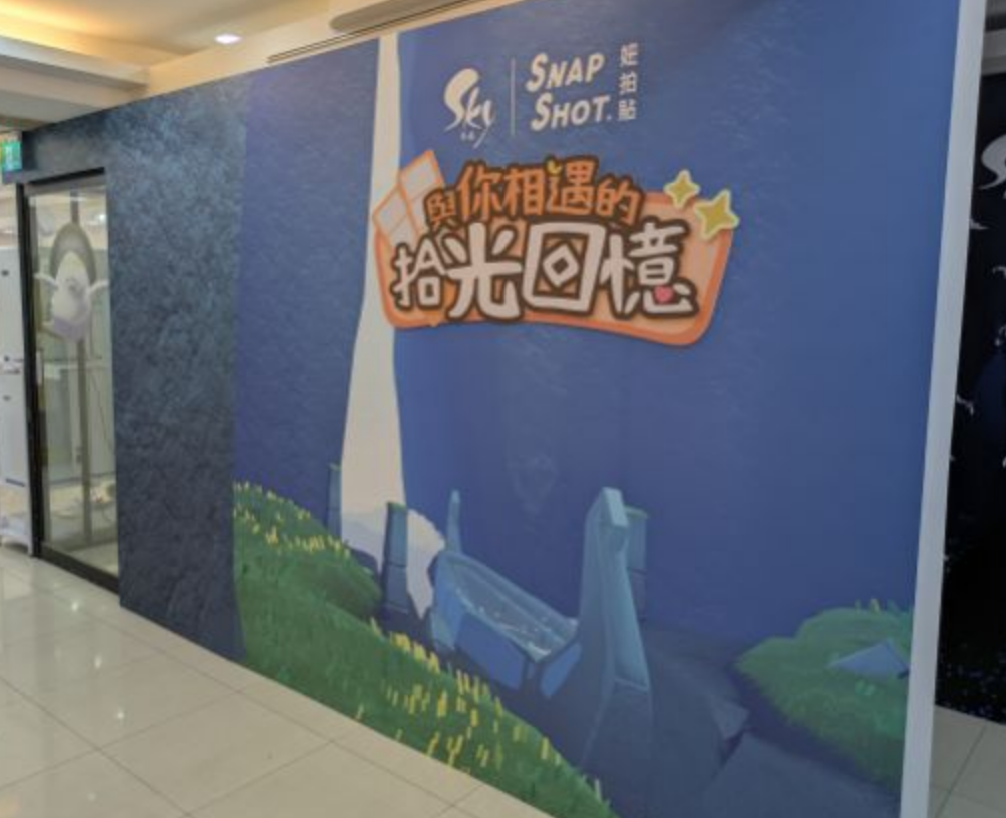
The Zhongshan flagship, for example, has 11 decorable surfaces: a 200×200 cm banner wall, a 234×164 cm floor-to-ceiling window (plus two smaller windows), a 203×102 cm full-body booth exterior, a 180×95 cm pillar, two 153×68 cm vanity mirrors, a 230×65 cm wall between the half-body booths, a 91×92 cm counter signage extension, a 60×82 cm panel above the glass door, a 50×70 cm entrance sign, and the interior panels of two booths. Dimensions differ by store; the above is indicative, and the survey by your side is what counts.

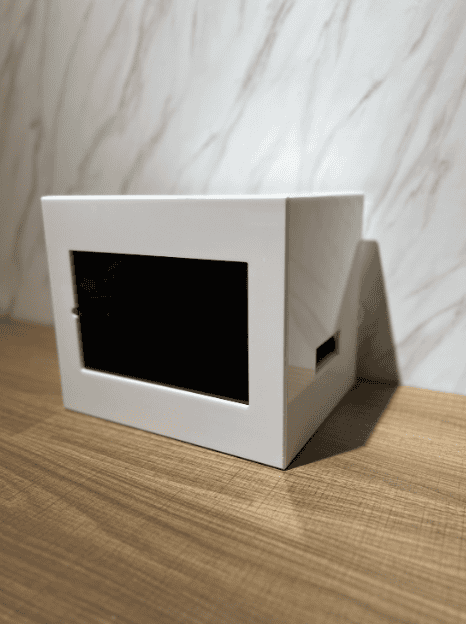

About 30 cm square. Without clearing the roughly 3 m² a traditional booth needs, a visitor can pick a frame, shoot, print on the spot and scan a QR code for the digital files. Suited to small stands and pop-ups, and to brands that want a permanent photo experience on their own counter.
The home screen, the frame layout and the exterior of the machine can all be customised for a brand or an event. Not a logo stuck on the side — a frame design worth taking home as a store-exclusive collectible.
Brand hospitality: no payment screen in the flow — visitors shoot and take the print away.
Paid product: payment before shooting, turning the limited frame into an item you sell in store.
Two more run on an ongoing basis: fan support campaigns (idol birthday events and fan exhibitions — see the fan support programme) and short-term machine rental (weddings, year-end parties, markets — see rental plans). Both pages are in Chinese.
Counting back from D-Day — the day the posts publish and the frame goes live — starting 60 days ahead is the safe answer, and in practice anything from D-60 to D-45 works. Once live, the campaign runs for 90 days, with settlement the following month.
Photo booths are a "give me a reason" purchase — holidays, seasons and annual trade events are the reason. Below is the year's main windows and the related events in Taiwan. Combined with the D-60 rule, you need to start roughly two months before the window you want; if you are exhibiting, the two months before the show is when booth deployment and a collaboration frame get agreed.
November and December are the two most crowded months and usually get booked further out; quieter months are where the better terms are. If you're not sure where your window falls, send us the launch date and we'll work backwards and tell you whether it's feasible. Trade events fall in fixed months but shift dates each year — check each show's own announcement for the year.
No proposal needed, and no need to have decided which format you want — send us the launch date and we'll work the schedule backwards and suggest a format.
Each card links to the full campaign post on the official account (posts are in Chinese).
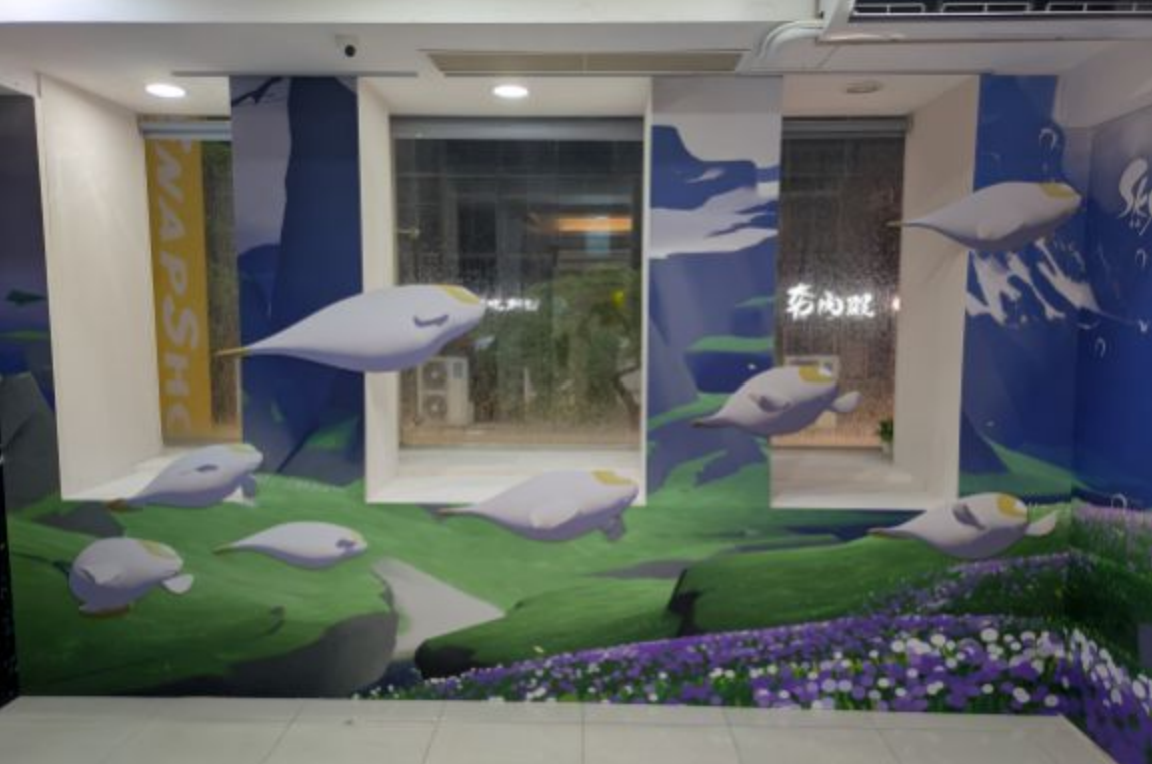
These are the booth deployment and store takeover formats — the experience happens inside a limited-time environment.
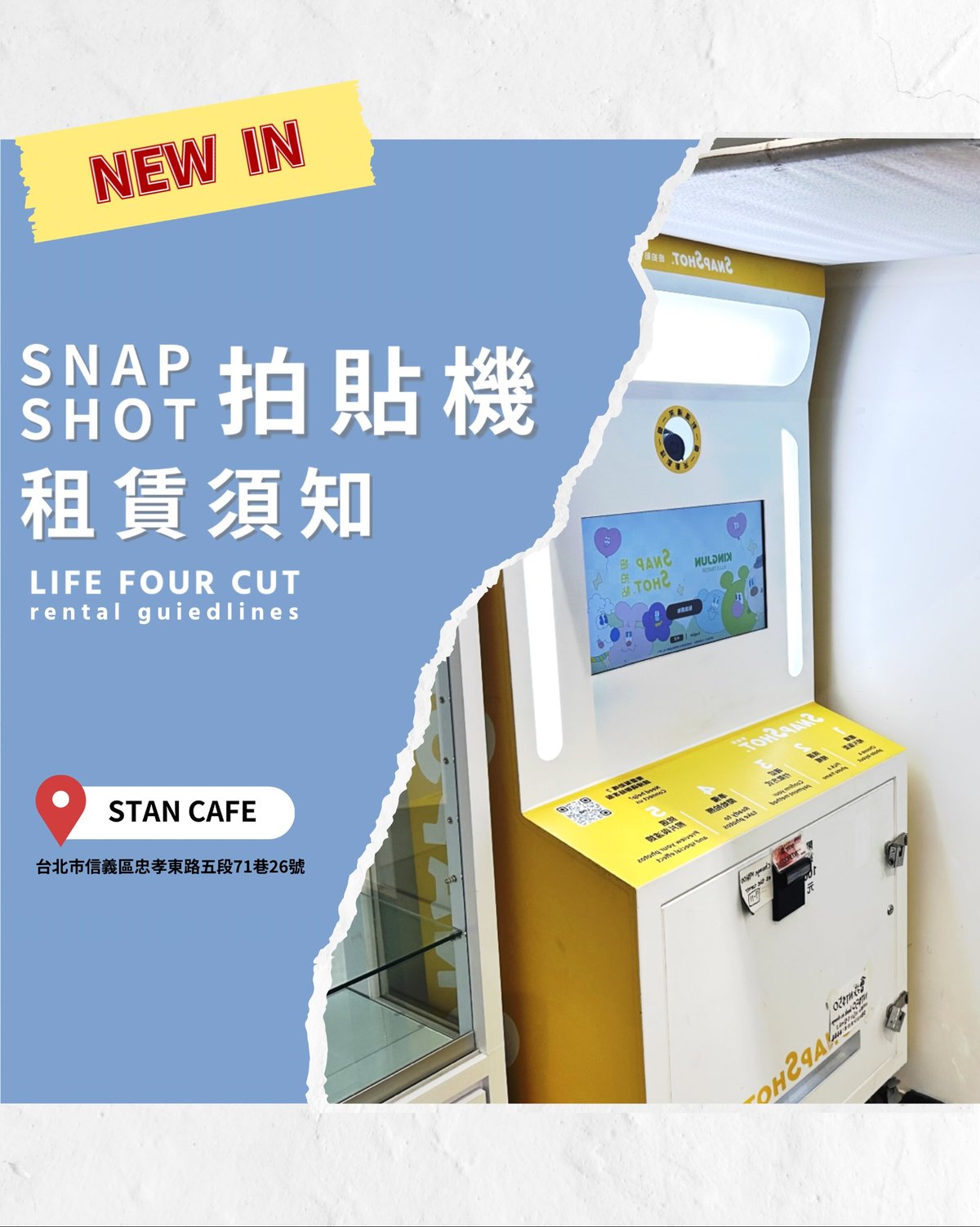


One of the largest categories: a physical promotion point during the release or broadcast window, and fans take the key visual home.


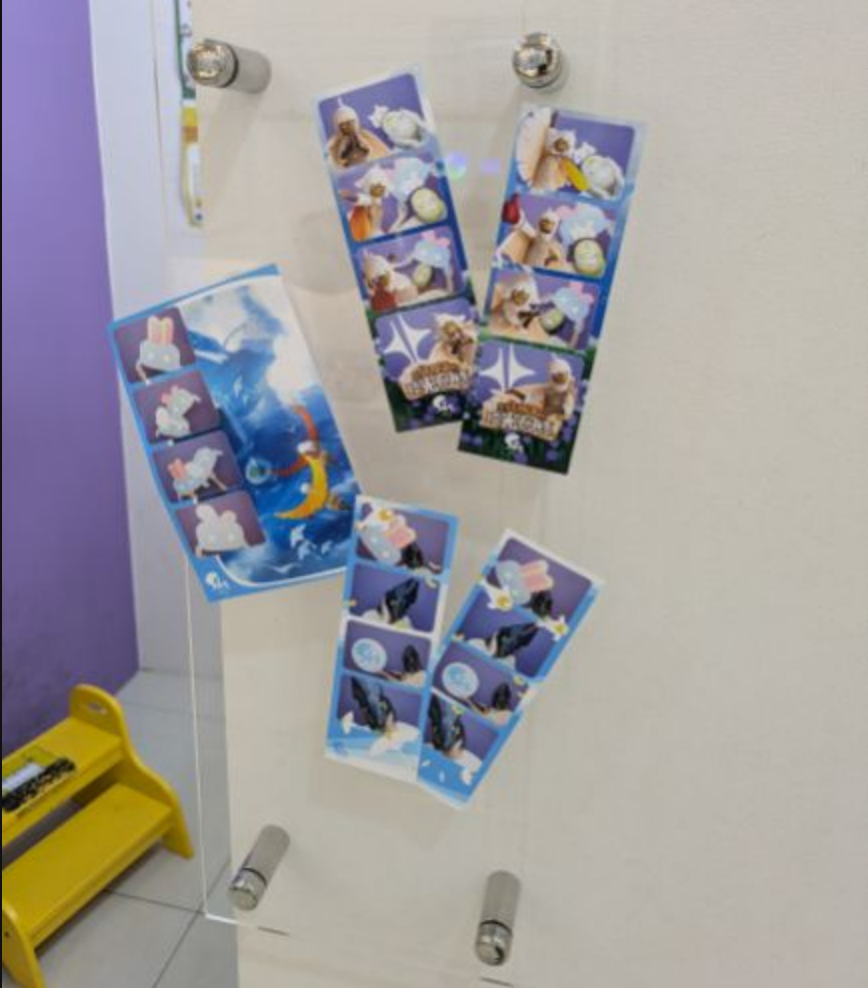
The frame collaboration format — simultaneous nationwide reach across stores and booths.


Personal IP runs on the same frame collaboration: one frame across the whole country, and fans take your character home. The archive holds 114 creator covers.


See all 219 frames in the archive → (archive captions are in Chinese)
Tell us your brand and your window, and we'll come back with workable formats and a quote. If you need to take it to an internal review first, save this page as a PDF and take it with you.
The button opens your print dialog — choose "Save as PDF".
Before anyone starts shooting, they see the banner on the booth's home screen. That slot comes free with a frame collaboration — extra exposure on top of the frame itself. Your key visual runs there for the length of the campaign.


Examples from past partners (25 in total).
A standard spec is exactly why this channel can carry one IP after another: one set of dimensions, one delivery process, and a single release covers all 70 store and booth locations across Taiwan.
You provide the design; we provide the spec and the templates. Below is what the spec looks like — proportions, layout structure and the physical limits of the printer — so your design team can size the work at proposal stage.
One session runs seven steps from start to print. Your three assets all land before the shutter, on steps 1, 2 and 3 — which is why the home screen and button images aren't extras, they're required deliverables. In brand-hospitality mode there is no payment step; in paid mode payment happens before shooting.
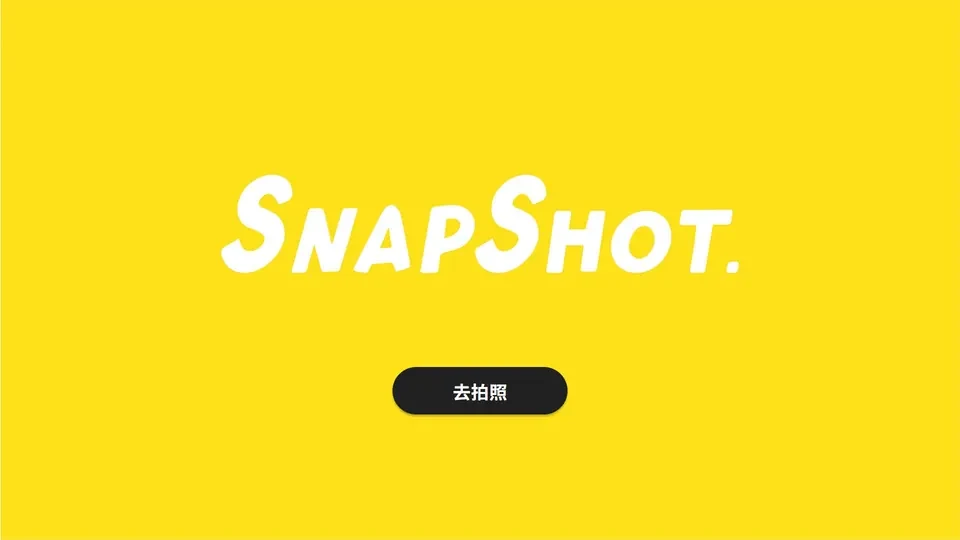 01
01 The home screen is customised to the partner brand and the campaign.
Your asset: Home screen image 1920×1080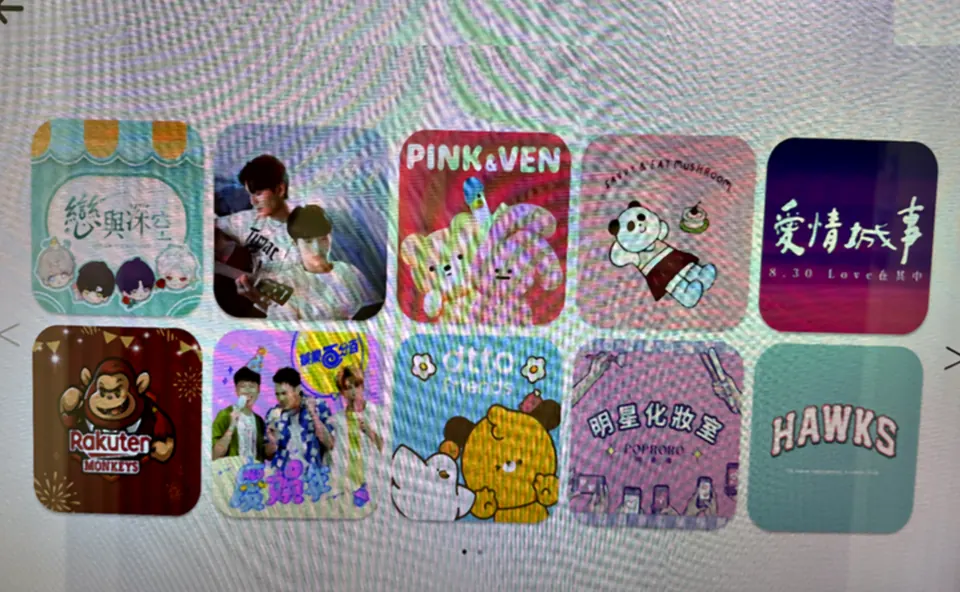 02
02 The menu is one thumbnail per live collaboration — people choose whose campaign to shoot with. That tile is your slot.
Your asset: Entry button 500×500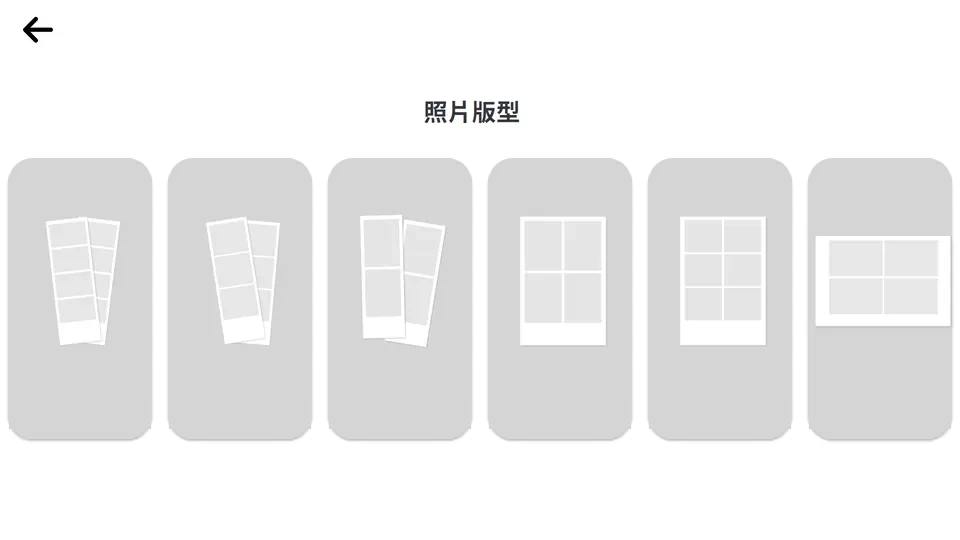 03
03 Each layout can carry its own photo arrangement and artwork.
Your asset: Photo frame 1200×1800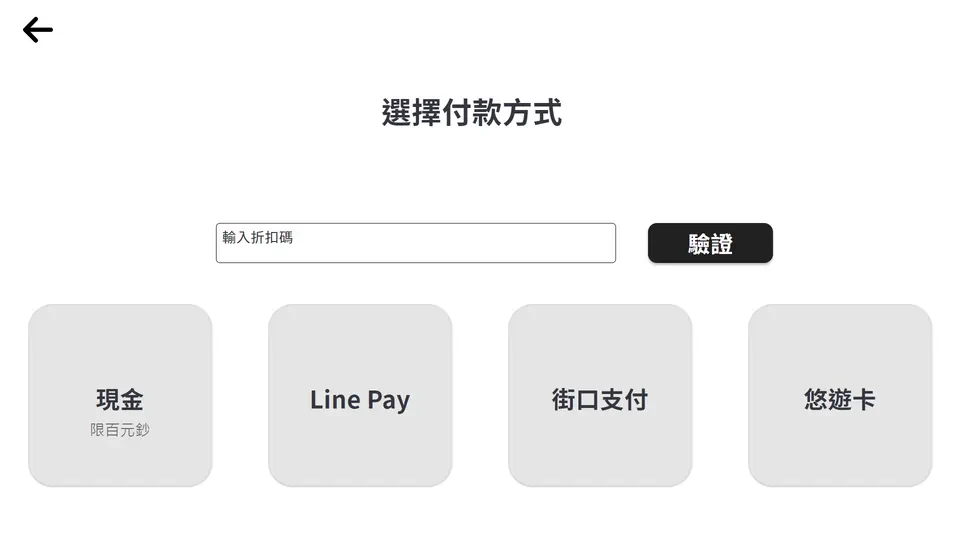 04
04 Only appears in the paid mode; in brand-hospitality mode the flow goes straight to shooting.
 05
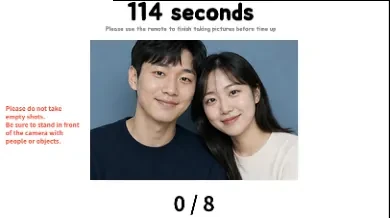
05 Countdown, live preview and repeat takes all happen on one screen.
 06
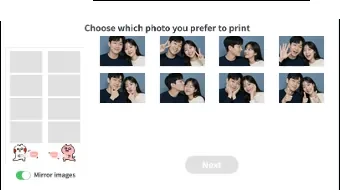
06 Pick the shots you want; they drop into the layout chosen earlier.
 07
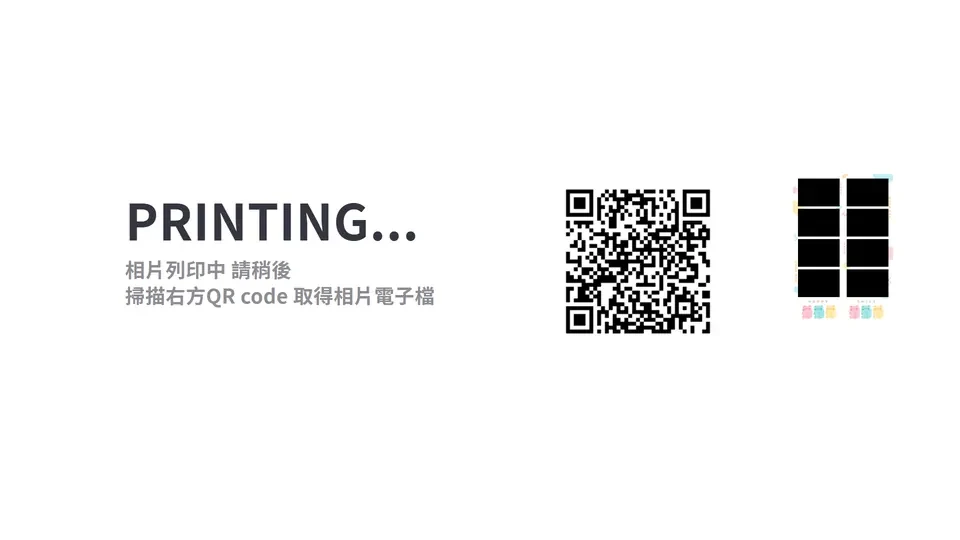
07 Take the print away, and scan the QR code for the digital files.
Step 2 is a photo taken in-store; the other screens are the SnapShotMini interface (in Chinese). Other models follow the same steps with a slightly different layout. Full product details: mini.snapfoto.co.
The main visual, required for every campaign. Design canvas 1200×1800, actual print area 1167×1762 — keep anything important inside the red dashed line.
The booth home screen background (a free slot that comes with the frame collaboration). Your logo must stand clear of the background and stay inside the safe area; the button row is added by the system, so don't design one.
The thumbnail in the booth menu. It displays small, so keep it to the character and the brand mark.
The three boxes are scaled from the real pixel dimensions, so their relative sizes are the real ones. The red dashed line is the safe area — keep anything important (text, logos, faces) inside it.
Cut down the middle · 2/3/4 frame versions. Artwork crossing the centre line gets split, so each of the two strips has to work on its own.
No cutting. The bottom ~320px has no photo windows — that is where copy and logos go.
Single uncut sheet, three window layouts to choose from (six-window version shown).
Four-frame strip on the left plus one large image on the right — K-pop photocard style. Can also be switched to the 2×6 centre-cut version.
Yellow dashed line = the centre cut on 2×6 layouts; grey blocks = the windows the photos cover; red dashed line = the print safe area. Window coordinates come from the official templates. Some layouts are specific to certain machines; we confirm which models your campaign runs on, and the available layouts with it. Full templates and design files are provided once a partnership is confirmed.
All of them come from the physics of the dye-sublimation printer, and they all exist to stop the print coming out blank or blurred.
Snapshot's vector logo and brand guidelines can be downloaded from the brand kit in the FAQ section below — no need to wait for us to send them.
Nothing about a frame collaboration requires you to be here. This is what running one from abroad actually involves.
Anything not answered here — contracting entity, invoicing, payment method — we confirm case by case. Tell us who will be signing and we'll come back with the specifics.
A frame collaboration runs for 3 months. The clock starts on D-Day — the day the frame goes live and the announcement posts publish. D+90 is the final end date; either side may agree to finish early. Campaign performance and settlement are completed in the month after it ends.
Sixty days ahead is the safe answer; in practice anything from D-60 to D-45 works. That window covers creative approval (7–14 working days of file exchange), pre-production proofing (7 working days of test printing and colour matching) and announcement content approval (5 working days of copy alignment between both sides). Those three stages are physical printing and mutual sign-off, so there is limited room to compress them.
Frame collaboration is listed at NT$25,000 per campaign, excluding tax. A whole-store co-branded takeover is NT$100,000 per store per month, excluding tax. Booth deployment is quoted case by case, depending on the scale of the event and the revenue-share arrangement. If the fit is right, we are also happy to talk about a straight resource exchange.
Yes. The frame collaboration is the starting point of every partnership — it is what puts your IP across all our locations and buys reach. Booth deployment and the store takeover are two upgrade paths on top of that, adding on-site depth. Take either, or both.
You provide the design; we provide the spec and the templates. Official spec: 1200×1800 px design canvas, 1167×1762 px actual print area (keep important content inside that safe area), RGB colour mode (the booth uses a dye-sublimation printer, not CMYK), PNG files (the top layer must have a transparent cut-out where the photo goes; the base layer is filled with no gap), under 1MB per file. Each campaign also needs two more visuals: a 500×500 px entry button image and a 1920×1080 px home screen image. Our logo and brand guidelines can be downloaded from the brand kit further down this page; full templates and design files are provided once a partnership is confirmed.
They all come from the physical behaviour of the dye-sublimation printer, and they all exist to stop the print coming out blank or blurred: base colour no lighter than R220 G220 B220; avoid large areas of yellow and near-yellow (colour shift is significant — test print and adjust); keep text away from the very top and bottom (cutting tolerance zone); photo border lines 10pt or thicker; fill the background rather than leaving a gap for the photo.
No — this is the most commonly confused point. Photo frames go to a dye-sublimation printer and must be RGB. Store decoration items (fabric banners, entrance signage and so on) go to standard printing, so supply CMYK Ai files. Decoration materials are produced to scale from each surface's die-cut drawing; 1100–1500 dpi is recommended, with embedded images as PNG. Surveying and production are handled by your side. Fabric banners must carry the 'Snapshot × your logo' lock-up; the vector logo is in the brand kit below.
Four are in common use: the 2×6 strip (cut down the middle, in 2/3/4-frame versions — artwork crossing the centre line gets split, so each strip must work alone), the 3×3 grid, the 4×6 half-body (three window layouts) and the 4×6 photocard. See the asset spec section above for the window structures. Some layouts are specific to certain machines; when we scope your campaign we confirm which models it will run on, and which layouts that makes available.
Across all 70 Snapshot store and booth locations in Taiwan, live simultaneously for the duration of the campaign. That includes booth locations inside malls and retail partners, not just our own stores.
Yes, that is the booth deployment upgrade: we have done it for brand pop-ups, expo stands and limited-edition stores. We provide the machine, the system and operations; you provide the space and the footfall, and on-site photo revenue is shared. If you only need a machine for a single occasion (a wedding, a year-end party, a market), short-term rental is the simpler route.
Yes. Many of the IPs on this page originate outside Taiwan. Everything you deliver for a frame collaboration is digital — PNG artwork under 1MB, plus the home screen and entry button images — so nothing needs to be shipped, and the whole process can run in English over email. The one part that is physical is the whole-store takeover (Upgrade B): surveying, production and installation are handled by the partner side, so you would need someone who can do that on the ground in Taiwan, such as your local agency or licensee. Tell us early and we will build it into the schedule.
All prices on this page are in New Taiwan Dollars (NT$/TWD), excluding tax. Contracting entity, invoicing and payment arrangements are confirmed case by case — tell us which entity will be signing and we will come back with the specifics.
Our team works Taiwan time (GMT+8). Email is the main channel: service@snapfoto.co.
Two more run on an ongoing basis: fan-initiated support campaigns (idol birthday events, fan exhibitions) and short-term machine rental. Both have their own terms, linked further down this page.
Brand guidelines (11 pages), vector logos in SVG and transparent PNG (yellow / black / white, horizontal and vertical) and a colour reference — everything needed to design a collaboration frame or store decoration.
ZIP · about 1.4MB. The guidelines name the specified typeface, but licensing means the font files aren't included — please license them yourself.
Anything not covered here, just ask: service@snapfoto.co
Joe Lin, Snapshot's founder, has watched the IP business from the retail side for years. After two days on the floor at Creative Expo Taiwan 2026, and a look back at Furyu, Japan's photo-booth leader, his read is this —
"The profit centre of IP is moving out of the licensing contract and onto the shop floor of the experience economy."
The main line of this business used to be licensing: license the character out, collect the fee, and let someone else carry the tooling, inventory and channel risk. The main line now is own-produced goods, pop-ups and expos — your own tooling, your own stock, and your own people standing behind the stand taking the money.
The shift was already noticeable in 2023 and 2024; 2026 was the first time it looked like the norm on the floor. The growth has moved to the experience side: international IP sells on recognition, local IP sells on being there at the same time as its audience — whether it can pull people to a place, in that moment.
Read the full observation on Facebook (Chinese) →That is also the logic behind the plans on this page: the frame collaboration buys reach, while booth deployment and the store takeover tie the IP into a live experience. Entertainment products that aren't tied to the whole experience don't move.
Full piece published on the Joe Lin Report (Chinese): Creative Expo Taiwan 2026, IP going retail, and what Furyu teaches →
Tell us your IP or brand and your window, and we'll come back with workable formats and a quote.
Or DM us on Instagram: @snapshot.tw